Good Head Assistant

 Good Head Assistant generates deterministic, inspectable, and certifiable HTML structure.
Get Certified Deterministic <head> tags. Structural integrity. Zero guesswork. A Deterministic Interpretability Infrastructure Layer.
Search didn’t disappear.
It evolved. And evolving this very second.
Today, pages are no longer discovered only by people clicking blue links.
They’re interpreted by machines, summarized by AI, and cited as answers.
And the very first thing those machines read isn’t your content.
It’s your <head>.
|
|
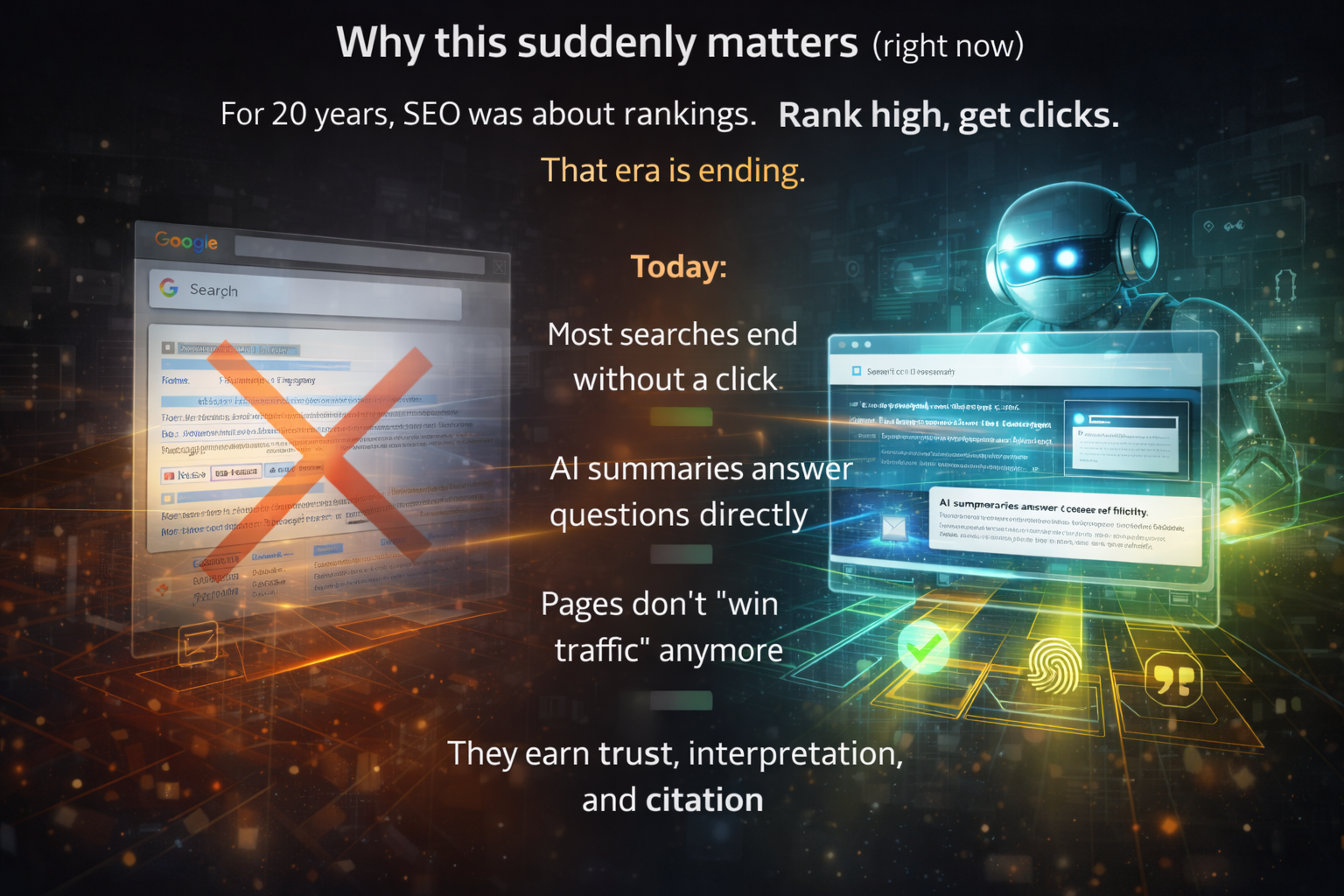
Why this suddenly matters (right now)
For almost 20 years, the web worked one way.
Rank high.
Get clicks.
Win traffic.
That mental model shaped everything people learned about websites. But it no longer describes reality.
Today:
- Most searches end without a click
- AI summaries answer questions directly
- Pages don’t “win traffic” anymore
- They earn interpretation, trust, and citation
🧠 “Search didn’t disappear. It evolved.”
This is not a future prediction.
It is happening right now, quietly, at scale.
Why this changes everything
Machines no longer skim pages.
They parse structure.
They look for:
- clarity over cleverness
- consistency over hacks
- intent over volume
- predictability over experimentation
🧠 “Machines don’t guess. They interpret.”
If your page sends mixed signals, it gets skipped.
If your page is calm, consistent, and deterministic, it gets cited.
The uncomfortable truth
Content can still rank despite a weak <head>.
That’s why this was invisible for so long.
But AI systems don’t forgive ambiguity the way humans do.
🧠 “SEO didn’t die. It stopped being enough.”
As interpretation replaces clicks, structure becomes the gatekeeper. And the first structure machines see is not your content.
It’s your <head>.
“If a machine misunderstands your page, it won’t recommend it.” 🧠
|
🧠 |
The <head> is not “SEO fluff”.
It’s not invisible decoration.
It’s your page’s instruction label.
“The <head> is your page’s instruction label.” 🧠 |
Humans read content.
Machines read the head.
The <head> tells browsers, search engines, and AI systems:
- what this page is
- which version is real
- how it should appear when shared
- who is allowed to read it
- how seriously it should be taken
“Humans read content. Machines read structure.” 🧠
|
Most people never learn this properly.
Even professionals copy fragments and hope.
That’s why the web is noisy.
And why machines are guessing.
Where the <head> actually lives — and why almost everyone missed it
For most of the web’s history, nobody ignored the <head>.
They simply never met it.
The early web (how this started)
Twenty-plus years ago, the web was small.
Pages were simple.
Search engines were primitive.
Browsers were forgiving.
You could publish a page, write good content, and things worked.
Structure didn’t feel urgent.
Instructions were implied.
Machines filled in the gaps.
So people learned this mental model:
PAGE
│
│  content
│  content
│  content
│
And for a long time… that was enough.
What a web page actually is (but rarely explained)
A real page has always had two layers.
Not visually.
Structurally.
<HEAD>
│
│  instructions
│  identity
│  permissions
│  declarations
│
───────────  ← boundary
│
│  words
│  images
│  buttons
│  videos
│
<BODY>
🧠
“The <head> is the event horizon between your webpage BELOW, that people read,
and the search engines ABOVE.”
What humans see vs what machines see
Humans scroll.
Machines don’t.
Machines arrive at a page and stop before the content.
They ask, in order:
- What is this?
- Is it indexable?
- Which version is real?
- How should it appear elsewhere?
- Can I trust it?
Those answers are not in your paragraphs.
They live above them.
🧠
“My webpage is full — but my <head> is empty.”
Why guessing worked (and why it doesn’t now)
Machines used to forgive ambiguity.
They guessed.
Modern systems don’t read.
They interpret.
🧠 “Machines don’t guess. They interpret.”
And interpretation requires structure.
The shift nobody announced
Search didn’t vanish.
It changed shape.
- Many searches end without clicks
- AI summaries answer directly
- Pages compete for citation, not visits
🧠 “Humans read content. Machines read structure.”
🧠 “Traffic is optional. Trust is not.”
The <head> is not decoration.
It is the instruction layer.
The part of the page that speaks before your words do.
Machines finally care enough to listen.
|
 |
AI systems don’t browse pages like humans.
They extract meaning.
“SEO didn’t die. It stopped being enough.” 🧠 |
They look for:
- clarity over cleverness
- structure over volume
- consistency over hacks
- predictability over experimentation
Messy pages cost machines compute.
Clean pages save it.
“Ranking used to matter. Interpretation matters more now.” 🧠 |
Pages that are easy to interpret are rewarded.
Pages that conflict with themselves are ignored.
Your <head> Above is the difference, to your page Below
|
|
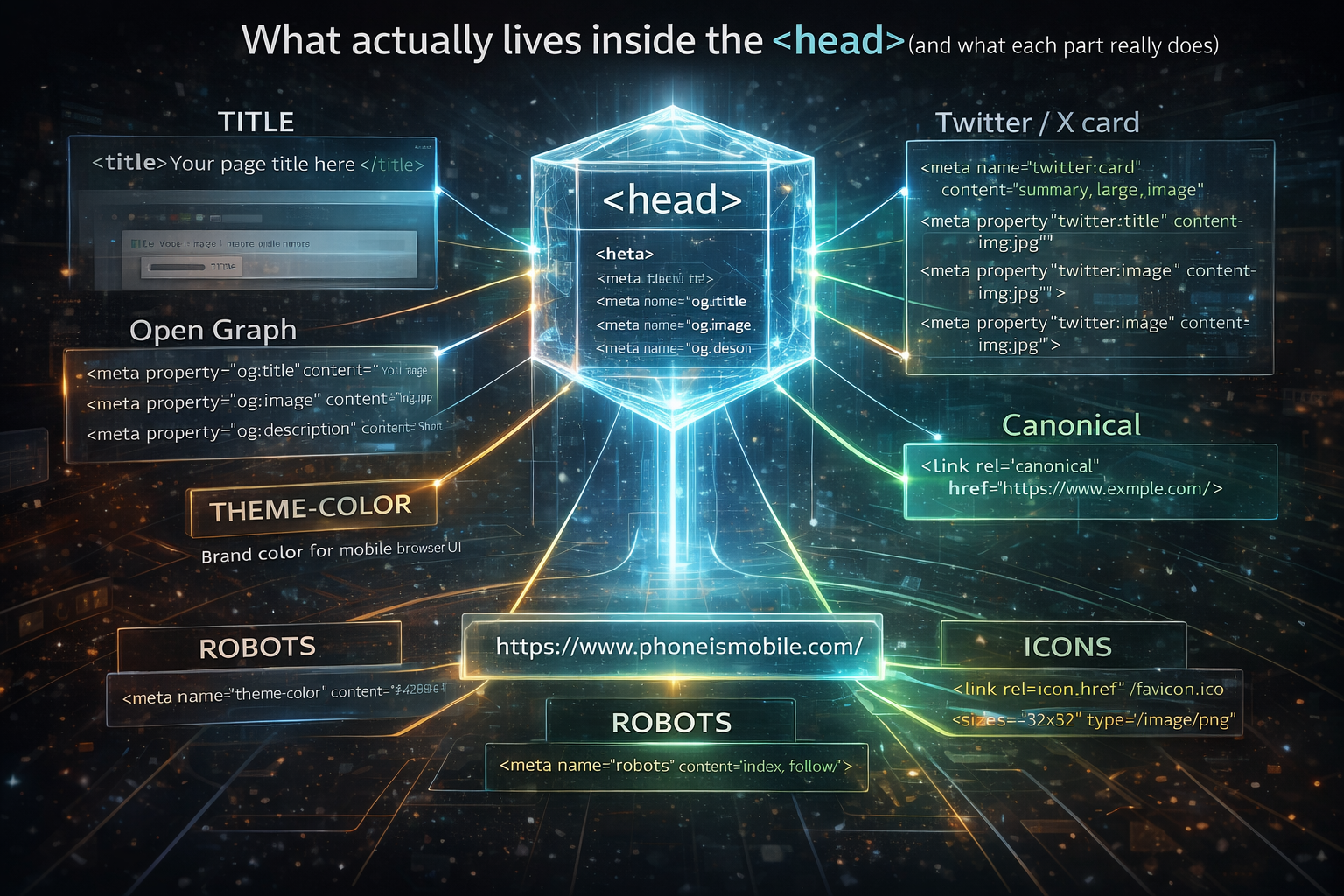
Let’s demystify it. No jargon. No myths. No fluff
Open Graph
Controls how your page looks when shared anywhere else.
Wrong image or title = wrong impression, everywhere.
Twitter / X
Same idea, different platform rules.
Without it, previews degrade.
Icons
Tiny signals of trust and polish.
Missing icons don’t break a site, but they weaken perception.
Robots
Tells machines whether they may read, index, or ignore a page.
This is widely misunderstood and constantly misused.
Canonical
Declares which URL is the “real” version of a page.
Get this wrong and you split trust across duplicates.
Theme-color
Small signal, big polish.
A hint of intention for modern browsers and devices.
Each of these exists for a reason.
None are optional by accident.
“The first thing machines read isn’t your content. It’s your <head>.” 🧠
|
When do you actually need each — and when don’t you?
This is where most mistakes happen.
Not every page needs everything.
But every page needs the right things.
Some pages should be indexed.
Some shouldn’t.
“Clear pages get cited. Confused pages get skipped.” 🧠 |
Some pages need strong social previews.
Some don’t.
Some pages must declare a canonical.
Others inherit it safely.
Guessing here creates drift.
Drift creates confusion.
Confusion kills trust.
Good head structure is about decisions, not volume.
“Traffic is optional. Trust is not.”
🧠
|

|
|
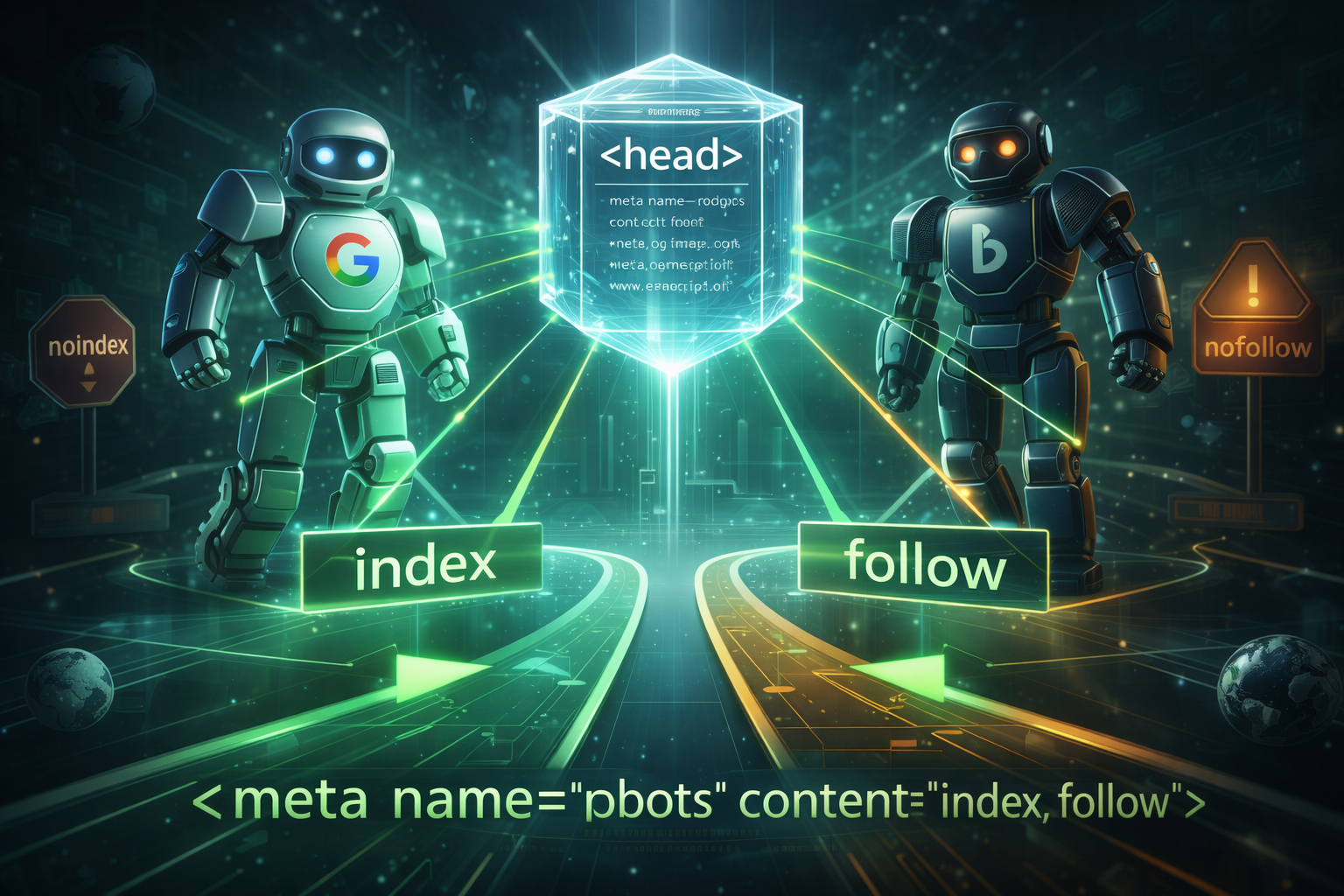
Robots tags answer one question:
Robots directives control permission, not ranking magic. 🧠 |
Who is allowed to read this page, and why?
Examples people see everywhere but rarely understand:
- index, follow → “You can list this page and can follow its links.”
- noindex, follow → “Don’t list this page, but links still count.”
- index, nofollow → “Do List the page, but ignore its links.”
- noindex, nofollow → “Pretend this page doesn’t exist.”
These are not “SEO tricks”.
(Index / Noindex / Follow / Nofollow)
They’re permissions.
“Robots don’t punish mistakes. They obey instructions.” 🧠 |
Used correctly, they protect sites.
Used blindly, they silently destroy visibility.
This single panel alone has caused years of damage across the web.
|
|

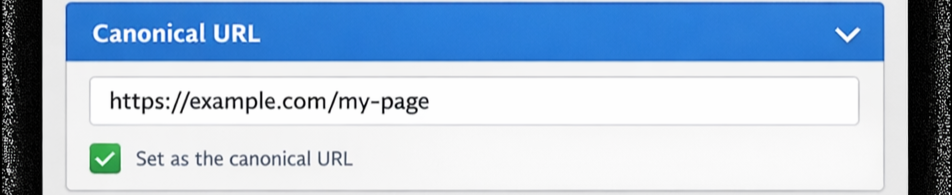
Machines hate duplicates.
If the same page exists at multiple URLs, something must decide which one is authoritative.
That’s the canonical.
A canonical is not a redirect.
It’s a declaration of truth.
Examples machines understand:
- https://www.example.com/
- such as https://www.phoneismobile.com/
Without a canonical, trust fragments.
With a wrong one, authority leaks.
Most sites get this subtly wrong for years.
|
|

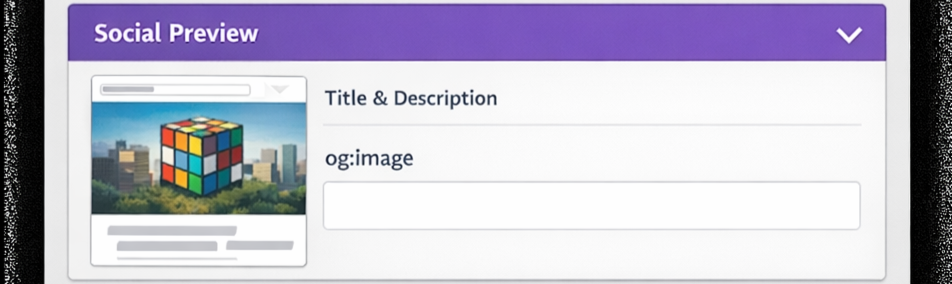
Before anyone visits your page, they see it elsewhere.
Messages. Feeds. Chats. DMs.
Open Graph controls:
- the title people read
- the image they see
- the description they remember
One wrong image can undermine an entire page.
Example image URLs machines expect:
- https://www.example.com/images/social-preview.webp
- such as https://www.phoneismobile.com/images/PhoneIsMobile-Image.webp
This isn’t vanity.
It’s first contact.

|
|
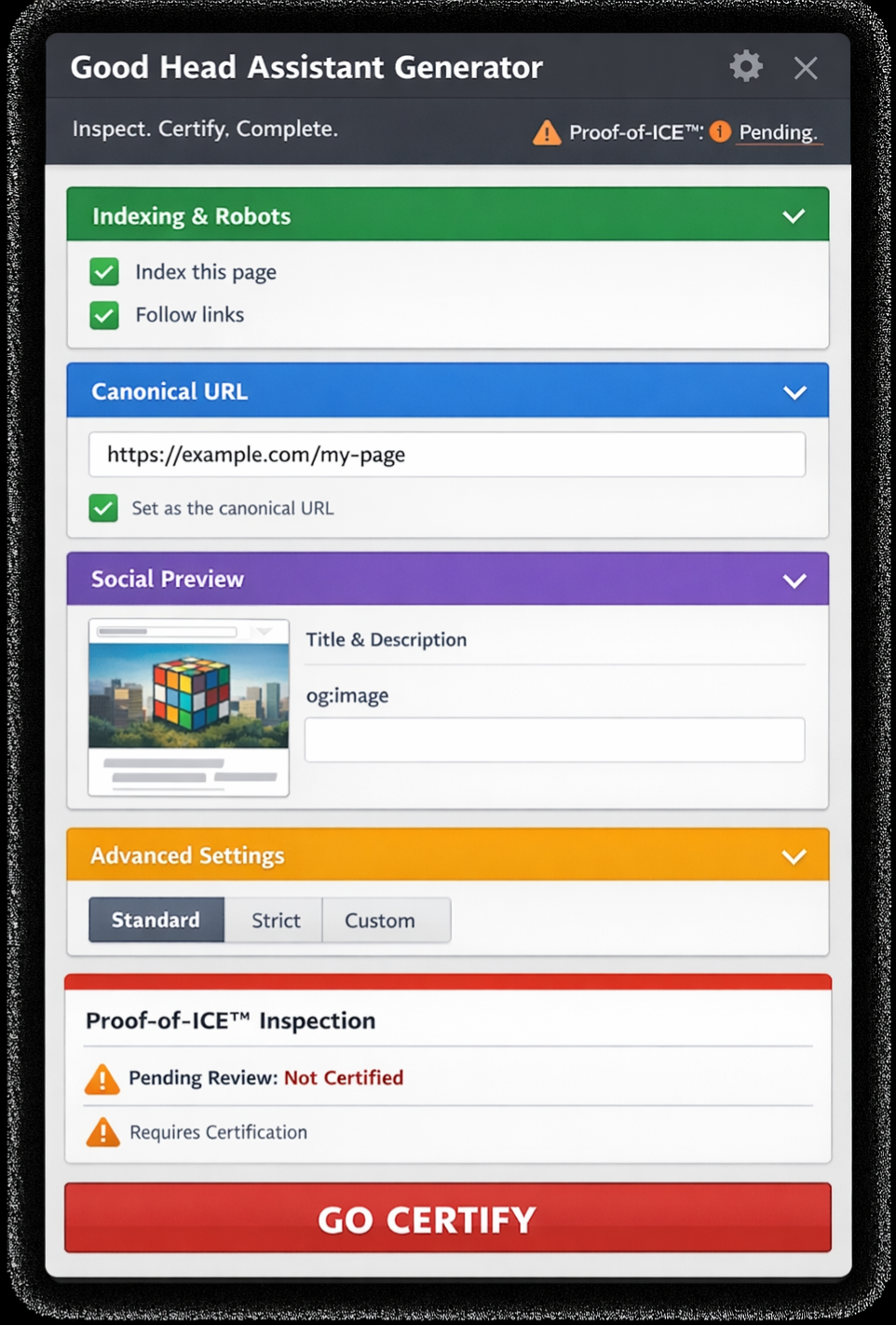
This is where GHA quietly protects you.
“You don’t need to remember the rules. We already did.” 🧠 |
Three modes. No guessing.
Standard
Safe defaults. Correct ordering. Zero duplicates.
Strict
Minimal. Audit-friendly. Nothing unnecessary.
Custom
For power users who know exactly why they’re changing something.
“Structure without protection invites drift.” 🧠 |
The key is not freedom.
It’s guardrails.
Most damage happens when people tweak without understanding consequences.
 |
|

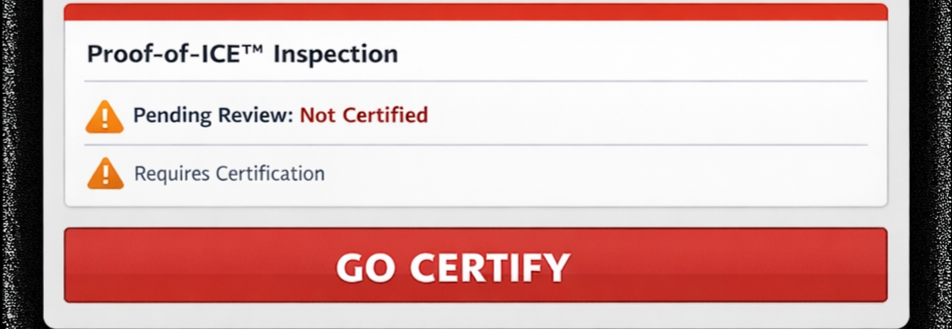
What you see first is an inspection.
It looks real.
It is useful.
It teaches.
But it is not certified.
Why?
Because copying unfinished head structures weakens pages.
When heads are reused, scraped, or cloned:
- signals collide
- intent blurs
- machines lose confidence
- pages decay over time
This is invisible.
And devastating.
|
|
Each page is different.
Each page has a different purpose.
“Copying head code feels safe. It slowly breaks trust.” 🧠 |
One head reused everywhere tells machines nothing.
A precise head per page tells machines everything.
This is how structure scales without chaos.
You don’t buy “SEO”.
“Reused structure creates drift. Drift creates confusion.” 🧠 |
You establish infrastructure.
|
 🟥🟦🟨
|
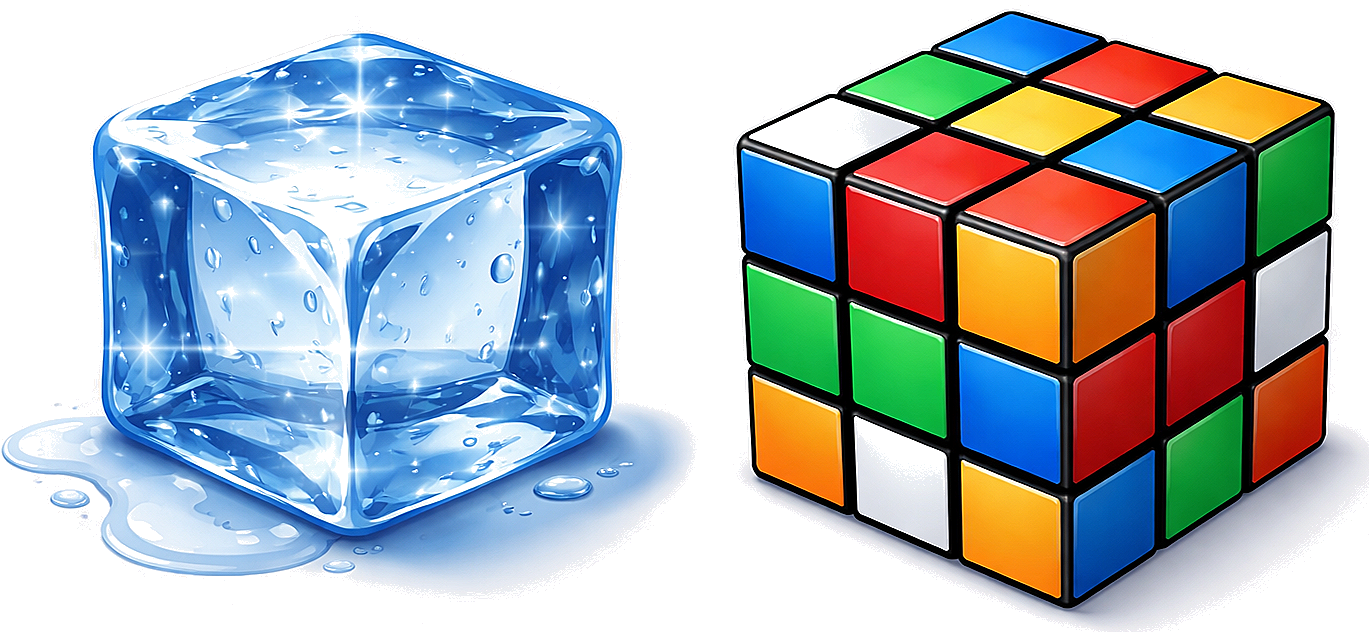
This is the calm moment.
“Certification isn’t about restriction. It’s about stability.” 🧠 |
ICEPixel: Animation Matrix 2.0
A living proof of ICE’s infinite control — Scatter → Gather → Hold.
"simulation of hashing and entropy resolution in motion"
You don’t need to remember rules.
You don’t need to research edge cases.
You don’t need to second-guess.
“Preview shows structure. Certification proves it.” 🧠Good Head Assistant |
You:
- Generate
- Certify
- Paste
- Move on
- Win
That’s it.
|
 |
Does this replace SEO?
Does this replace SEO?
No. SEO still matters.
Structure decides who survives as SEO changes.
Again! we must stress... SEO still matters.
But it no longer decides everything.
Search hasn’t disappeared.
It evolved. And still doing so.
Ranking used to decide who was seen.
Now structure decides who is understood.
“SEO didn’t die. It stopped being enough.” 🧠
Clean head structure doesn’t replace SEO.
It keeps SEO working as everything else changes.
Can AI systems really see this?
Can AI systems really see this?
Yes. They read heads before content.
AI systems don’t “read” pages like people do.
They parse signals.
They look at:
- titles
- descriptions
- canonicals
- robots directives
- consistency across metadata
That all lives in the <head>.
“Humans read content. Machines read structure.” 🧠
If the structure is unclear, the page is skipped.
If it’s clear, the page gets cited.
What happens if I ignore this?
What happens if I ignore this?
Your page becomes harder to interpret.
Harder pages get skipped.
Nothing dramatic.
Nothing immediate.
That’s the danger.
Pages don’t break.
They slowly lose trust.
Signals blur.
Duplicates conflict.
Machines hesitate.
“Reused structure creates drift. Drift creates confusion.” 🧠
And confused pages aren’t recommended.
Is this only for professionals?
Is this only for professionals?
No, No and no. It’s for anyone who wants pages done right!
Professionals already know how fragile head work is.
Beginners just haven’t been warned yet.
G<H>A exists so you don’t have to become an expert.
“You don’t need to remember the rules. We already did.”🧠
Answer a few questions.
Get a deterministic head.
Move on with confidence.
Copy Paste And WIN.........simple
Why not just copy old heads?
Why not just copy old heads?
Because machines detect repetition.
Reused structure weakens trust over time.
Because machines "NOW!" notice Everything "NOW!".
Copied heads:
- repeat signals
- erase intent
- collapse meaning across pages
They look efficient.
They quietly weaken trust.
“Copying head code feels safe. It slowly breaks trust.”🧠
Per-page heads tell machines why a page exists.
That’s what scales.
The quiet truth
The quiet truth
The web is moving from guessing to interpretation.
From rankings to citations.
From traffic to trust.
“The future isn’t clicks. It’s citations.” 🧠
Pages that help machines understand them will win.
Pages that confuse machines will fade.
“AI doesn’t reward effort. It rewards clarity.” 🧠
The <head> is where that future begins.
You are obtaining interpretability infrastructure.
And now, it’s finally calm.

What GHA actually does
Good Head Assistant generates deterministic HTML <head> structure that can be inspected before use and certified for permanent identity.
Instead of relying on CMS defaults, plugins, or copied snippets, GHA makes page intent explicit.
Each output follows stable ordering, avoids duplicates, and produces a deterministic signature that reflects the structure itself.
Certification locks that structure and provides a permanent fingerprint for the page.
“Get production-ready <head> output in under 2 minutes. Deterministic. Zero guesswork. No duplicates. No manual drift.”
A Deterministic Interpretability Infrastructure Layer
Generate & Inspect Code <head>
Inspect deterministic structure first. Certify for permanent identity. First click generates instantly. After that, your changes update live.
- Stable ordering and clean structure.
- No duplicate tags (single template path).
- Robots + canonical decisions are explicit.
- Social previews included when enabled.
- Signature changes live as structure changes.
<!-- No inspection output yet.
Press Generate & Inspect Code. -->
https://www.example.com/such as:
https://www.phoneismobile.com/https://www.example.com/images/social-preview.webpsuch as:
https://www.phoneismobile.com/images/PhoneIsMobile-Image.webp- Not generated yet.
Why this quietly costs time ▼
Head work isn’t difficult — it’s fragile.
Every page means checking order, duplicates, previews, and edge cases again. That repetition compounds.
Across a site, that becomes hours of invisible rework.
GOOD HEAD ASSISTANT
Head Structure Literacy Manual
The generator gives you output.
This manual gives you structural command.
🟢 ROBOTS
Permission control layer.
- index / noindex clarity
- follow / nofollow intent
- Prevents silent de-listing
- Eliminates directive conflicts
🔵 CANONICAL
Truth declaration layer.
- Consolidates authority
- Stops URL drift
- Prevents trust fragmentation
- Signals source-of-record
🟣 OPEN GRAPH
Presentation control layer.
- Controls previews before click
- Protects brand perception
- Maintains image integrity
- Stabilises citation visuals
🔴 CERTIFIED STRUCTURE
Identity lock layer.
- Deterministic ordering
- Duplicate suppression
- Structural verification
- Machine-readable stability
The real problem is guessing ▼
Most head sections work by accident.
Good Head Assistant replaces guessing with a single deterministic output — generated once, trusted everywhere.
When this window closes, the solution is already clear.
The generator produces structure.
This manual shows you how machines interpret it.
Head Structure Literacy Manual
A first-principles breakdown of deterministic head construction — identity, permission, truth, presentation — explained clearly, structurally, and without noise.
Status: Final Educational Release v1.2
Download the Manual — £14.99Questions or feedback? ghassistantv1@gmail.com
Recent Mobile Articles


-
GiffGaff Medium Mobile Phone Contracts UK
 GiffGaff Medium mobile phone contracts for UK medium users. Explore Medium-Light, Medium-Medium and Medium-Heavy PPP routes with modular phone and airtime ownership.
 -
O2 Heavy Mobile Phone Contracts
 Discover O2 Heavy Mobile Phone Contracts with PPP. Unlimited data, 5G speed, and perks like Disney+, Prime, Priority tickets & travel roaming. PPP vets your usage, aligns the right plan & phone, and s…
 -
O2 Medium Mobile Phone Contracts | PPP Matched Plans UK
O2 Medium mobile phone contracts matched by PPP to Medium users. Explore suitable phones, data, O2 benefits, costs and value to find the right fit.







        |
  |