
Light Mobile Phone Contracts UK
Light Mobile User Phone Contracts in the UK. Light is no longer a synonym for lesser. It is a statement of requirement.
Check Your Coverage
Before you look at tariffs, you need to know this: no coverage = no conversation. If your network can't give you a signal where you live, work, or travel most, you're setting yourself up for frustration.
👉 Click the logos below to check each network's official coverage and service status. Tick off the ones that actually work for you — and tick out the ones that don't.







You looked at every postcode. You ticked off the best. You crossed out the worst. That's your coverage shortlist.
The PPP Light Verdict
"The best Light contract isn't the cheapest contract.
It's the one that meets your actual requirement with the least unnecessary cost and capability."

Weigh Up the Incentives
⚠️ Only compare incentives from the networks that passed your Step 1 coverage check. A great perk cannot rescue a poor signal.
Now that you've narrowed down coverage, let's filter even further. Every network has perks and extras — but not every benefit matters to you, and availability can depend on the plan you choose.
👉 Click the cards below to investigate. Note which programs make you say: "I'd actually use that."

Three+ Rewards
Offers, rewards, and presale ticket access from the UK's biggest brands.

VeryMe Rewards
Weekly treats, life-changing prizes, and exclusive discounts for mobile customers.

EE Entertainment
Get Apple Music, Apple TV, Netflix, and more, exclusively available on EE plans.

Tesco Clubcard Points
Earn points on your bill and turn them into discounts on groceries and fuel.

Clubcard Prices
Exclusive member pricing that can effectively offset your monthly tariff cost.

VOXI Endless Social
Scroll WhatsApp, Instagram, and Snapchat endlessly without eating your core data.

O2 Priority Extras
First dibs on tickets, free Greggs snacks, and cheap cinema deals.
This way, you've now filtered the networks twice:
👉 Does it cover my area?
👉 Do the perks fit my lifestyle?

One tick. One network. The one that covers you AND rewards you.
Step 3: How Light Are You?
Light does not mean "cheap." Light describes your actual requirement. Before choosing a network, identify where you sit on the PPP spectrum:
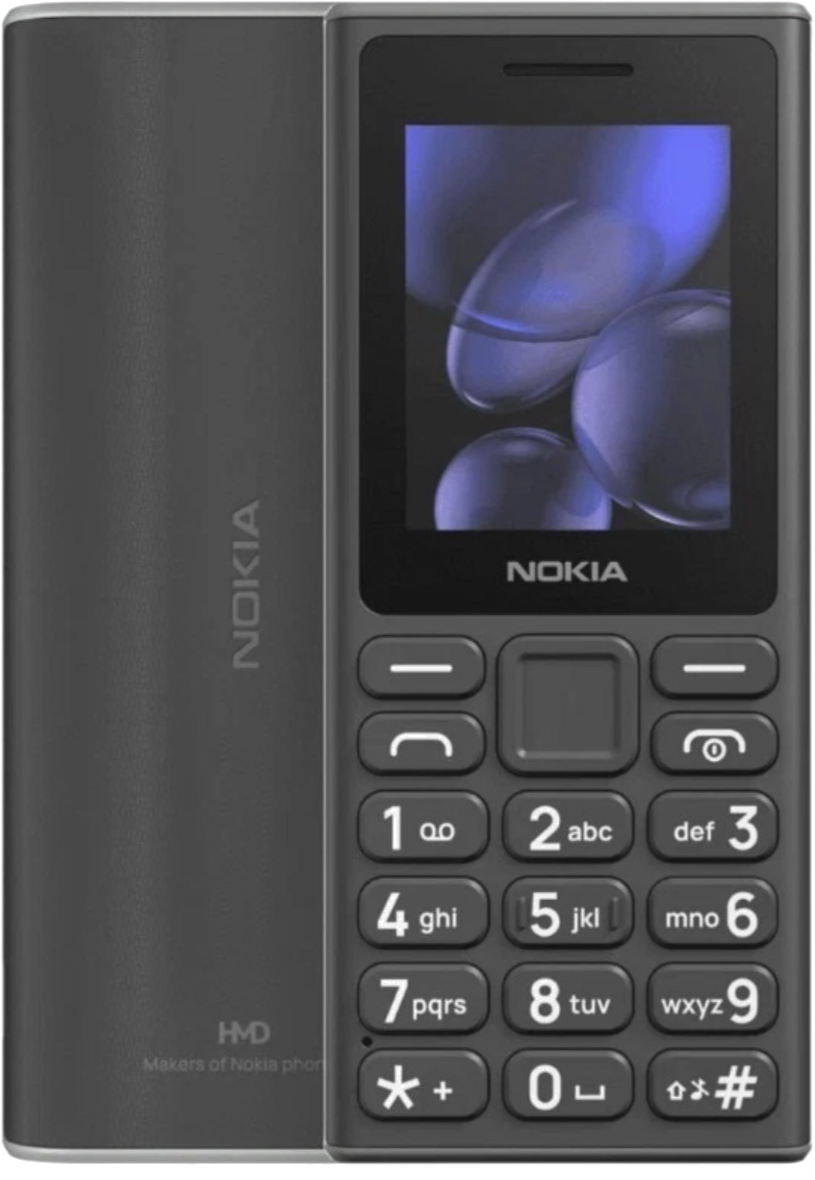
Light-Light
Calls, texts, emergencies, and essential connectivity. The minimum requirement.

Light-Medium 🎯
Everyday communication plus maps, messaging, browsing, and useful apps. More breathing room without unnecessary capability.
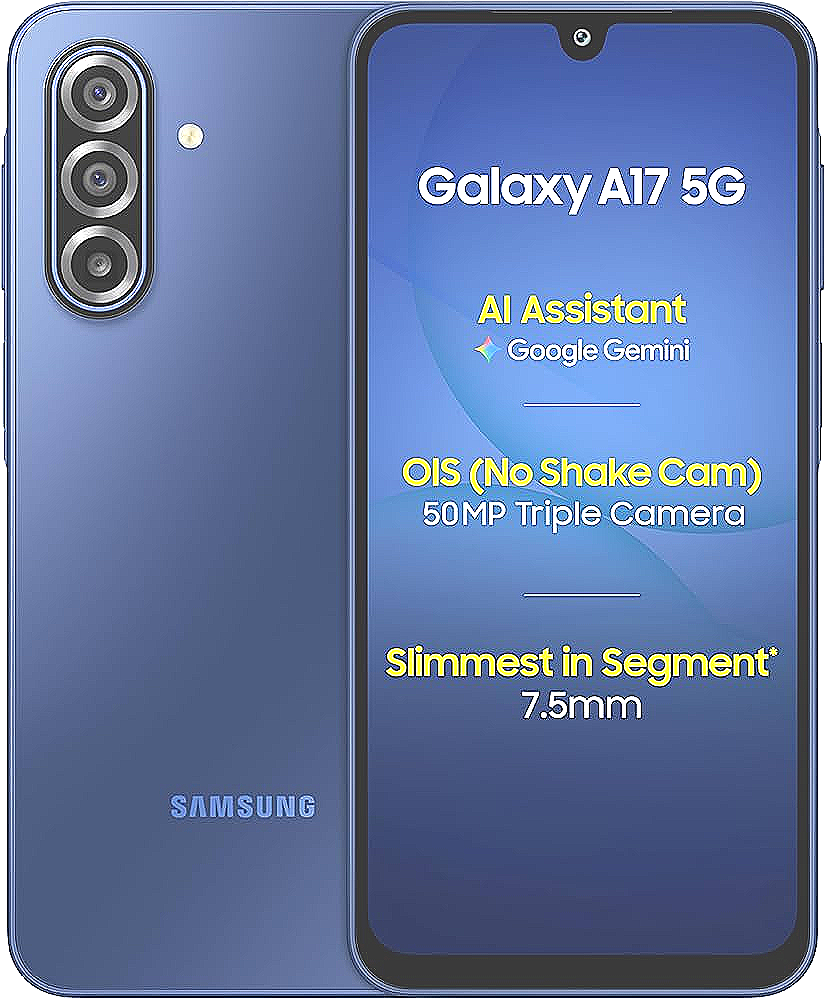
Light-Heavy
Still a Light user behaviourally, but wants proper smartphone capability, a better camera, 5G, and more hardware headroom.
Step 4: Separate Your Phone Need From Your Network Need
To find your perfect fit, you must evaluate four independent variables:
- PHONE REQUIREMENT: What device capability do I actually need?
- AIRTIME REQUIREMENT: How much connectivity do I actually use?
- NETWORK REQUIREMENT: Which networks work where I need them?
- VALUE REQUIREMENT: Which benefits would I genuinely use?
Step 5: Choose Your Network Personality
Each network offers a distinct decision route. And as you move between them, you'll discover the story of how the Light user went from the market's afterthought to its smartest position.
giffgaff Light
Best explored when you value separating handset choice from airtime choice and want to control each requirement independently with greater control and flexibility.
Explore giffgaff Light → Rewards-Led Route
O2 Light
Explore O2 when network suitability and its wider customer-benefit ecosystem (like Priority) form a core part of your value decision.
Explore O2 Light →PiM Editorial Interlude
Why Light Users Are In The Best Position They've Ever Been
Not so long ago, the bottom of the mobile market was where ambition went to die. Light users got the smallest allowances, the oldest hardware and the least attention of anyone.
Then something structural happened: the capability floor rose. Manufacturers learned to build genuinely good phones at modest prices. Networks realised that today's Light user is tomorrow's Medium user — and started competing for them properly. Rewards, app benefits and value programmes stopped being reserved for the biggest spenders.
None of this means every Light tariff is generous, and no one should pretend otherwise. It means a Light requirement no longer forces a primitive answer. You can require very little and still stand on technology that would have looked premium not many years ago.
CHEAPER ≠ WORSE. It simply means you refused to pay for capability you will not use.
EE Light
Explore EE when connectivity performance, reliability, and network experience rank highly in your personal decision.
Explore EE Light → Balanced Value Route
Vodafone Light
Explore Vodafone when you want to weigh network capability, handset choice, and additional customer value (VeryMe) together.
Explore Vodafone Light →PiM Editorial Interlude
A Quick Trip Down Memory Lane
Cast your mind back a decade or so. The Light user's world looked very different:
THEN
- Mobile internet measured in megabytes
- Hardware that did little and still cost much
- Capability priced for heavy users only
- Extras thin or absent at the bottom of the market
- Choosing Light often meant accepting compromise
NOW
- Entry-level hardware handles maps, banking, messaging and photos with ease
- 4G as standard, 5G where it matters
- Batteries that routinely outlast busier phones
- Rewards and value ecosystems across much of the market
- Device, airtime and network treated as separate decisions
USED TO, Light described what you were denied. TODAY, Light describes what you actually need.

Tesco Mobile Light
Explore Tesco Mobile when your mobile service decision sits within a broader household-value and grocery ecosystem.
Explore Tesco Mobile Light → Digital-Lifestyle Route
VOXI Light
Explore VOXI when your Light behaviour is concentrated around messaging, social communication and connected everyday life.
Explore VOXI Light →PiM Editorial Interlude
The Evolution Of Light Tariffs
Light began life as a shelf: small allowance, cheap price, end of conversation. It has become something far more useful — a requirement class. Not a social class. Not a quality class. A statement of need.
A Light user may still need a reliable network, a capable smartphone, navigation, banking, security, a decent camera, messaging, and the occasional reward they will genuinely use. None of that contradicts being Light.
The mistake at one end is buying capability that sits unused — paid for every month, forgotten every month. The mistake at the other end is buying too little capability for the job, and paying for it in daily frustration. PPP exists precisely between those two mistakes.
MORE ≠ BETTER. LIGHT ≠ LESSER.
PiM Editorial Interlude
Missing Benefits Of Light Mobile Phone Contracts
Part 1 — The benefits hiding in plain sight
A lower total ownership requirement. Less money tied up in capability you will never touch. Simpler ownership, lower replacement exposure, and the freedom to prioritise coverage over headline specifications. These benefits never appear in an advert, because they are the absence of spending rather than the presence of stuff.
Part 2 — Why paying for less can sometimes give you more
Money not spent on unused data is money available for everything else. Modest devices often reward you with longer battery life and quieter, simpler ownership. And there is a psychological benefit nobody prices: knowing why you chose the lower requirement, instead of wondering whether you settled.
But value discipline matters here. Advertised value ≠ available value ≠ useful value ≠ realised value. A cinema benefit is worth nothing to someone who never goes to the cinema. A social-data benefit can be worth everything to someone whose life genuinely runs on supported apps. And a £150 saving that requires £1,500 of spending is not £150 of free value — it is a spending target wearing a disguise. The only question that survives scrutiny is: "Would I actually use this?"
Part 3 — The hardware advantage nobody talks about
Entry-level phones today are engineered, not merely compromised. Efficient chips, big batteries, capable cameras. They frequently outlast flagships on battery for the simple reason that they carry less excess. They hurt less to replace when life happens — drops, losses, sticky fingers. And because the hardware is modest, the weight of the decision shifts back to where it always belonged: coverage and behaviour.
COVERAGE + BEHAVIOUR + CAPABILITY + USEFUL VALUE = PPP FIT.
The Bottom Line For Light Users
Light tariffs used to mean compromise. Today they mean something sharper: choice with the excess removed.
You checked coverage before anything else. You weighed perks against your actual life, not a brochure. You classified your requirement honestly. You separated phone from airtime, airtime from network, and network from value. You met seven networks on your own terms — and you read the story of how the Light user stopped being the market's afterthought.
Choosing Light does not mean choosing the worst phone, the weakest network or the cheapest possible contract. It means recognising that your requirement is Light — and refusing to pay for capability you will not use.
LIGHT ≠ SETTLING.
LIGHT = KNOWING WHAT IS ENOUGH.
And knowing what is enough is the most expensive lesson in mobile. PPP simply teaches it earlier.
PhoneIsMobile




Light Mobile Phone Contracts

Recent Mobile Articles


-
EE Sim Only Medium User
 EE Sim Only Medium User.Which one are you?.Light,Medium or a Heavy user.Findout Now so you save money with a Tariff that mirrors Ur typical Mobile usage.its how U use the mobile
-
EE Sim Only
 EE SIM Only UK plans for Light users, matched by PhoneIsMobile PPP. Compare data, minutes, texts, hotspot and tethering, with Light-Light, Light-Medium and Light-Heavy routes matched to how you actual…
-
Heavy Sim Only Contracts
 Heavy Sim Only Contracts.Which one are you?.Light,Medium or a Heavy user.Findout Now so you save money with a Tariff that mirrors Ur typical Mobile usage.its how U use the mobile


        |
  |
.
.